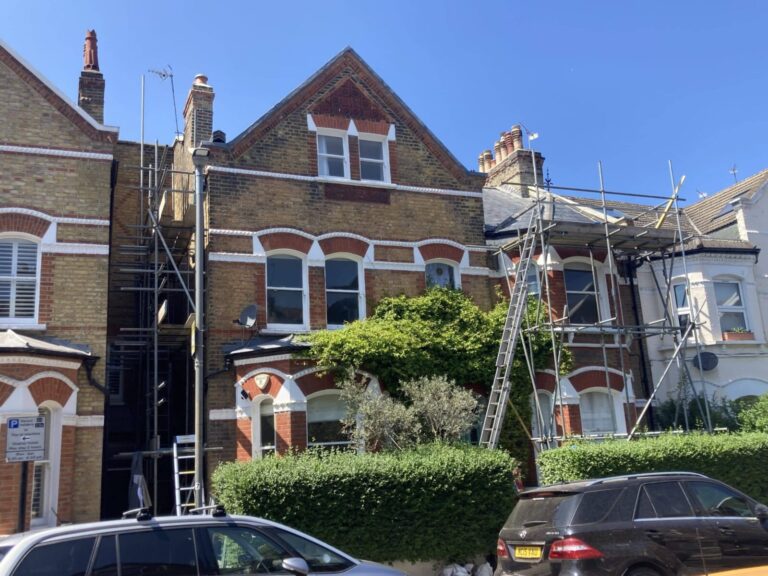

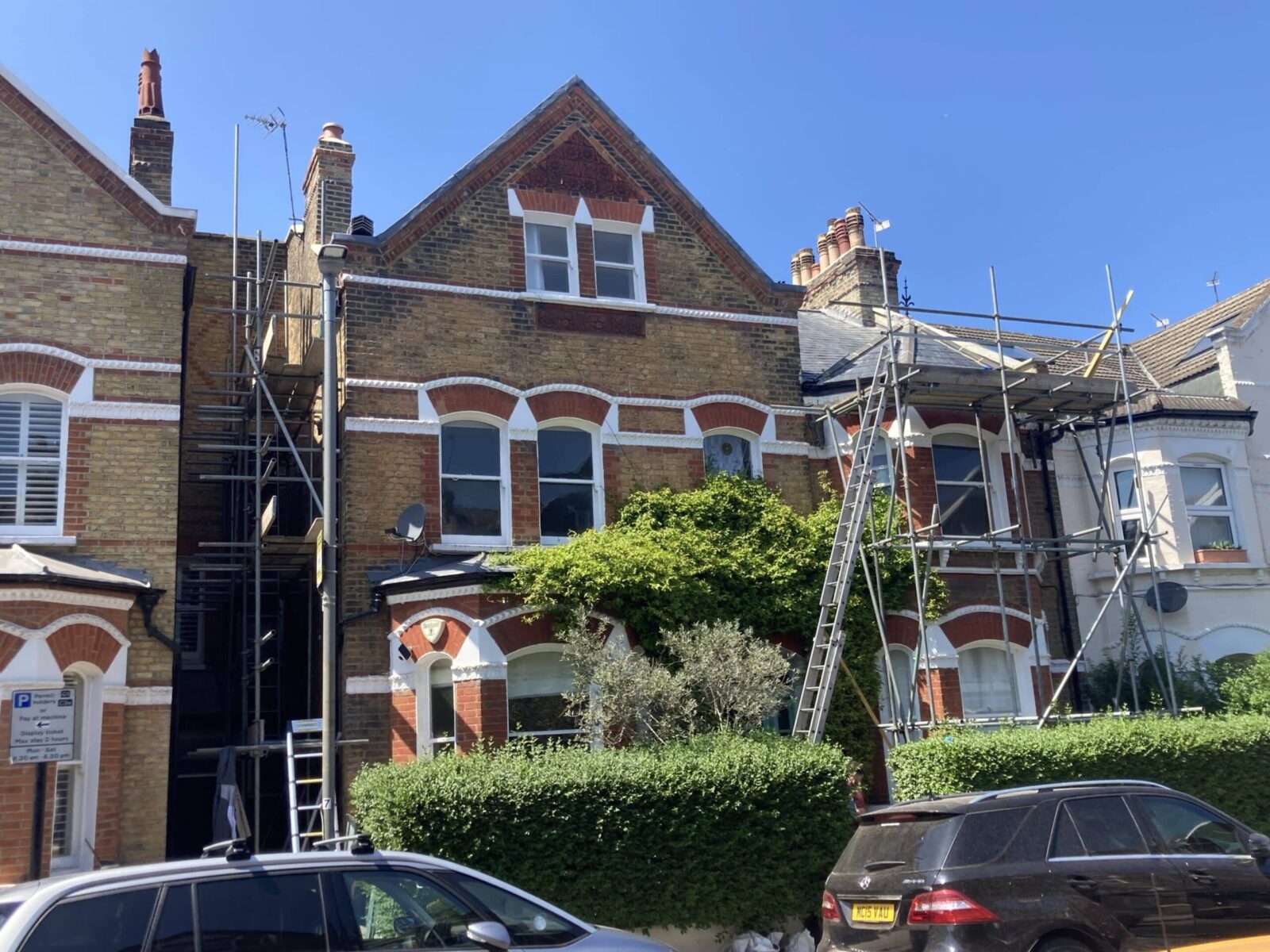
London is full of beautiful period homes, and many of them sit within conservation areas; there are over a thousand across the capital. If you own one of these properties and your roof is reaching the end of its life, re-roofing comes with an extra layer of consideration that a modern house simply doesn’t have. Get it right, and you protect both your home and its character. Get it wrong, and you risk enforcement action and a roof that has to be redone. Here’s what you need to know before you start.
First, Find Out Exactly What Protections Apply
The most important step happens before you choose a single tile. You need to confirm three things with your local borough: whether your property is in a conservation area, whether there’s an Article 4 direction in place, and whether the building is also listed.
Those three answers shape almost everything that follows, and your council’s planning department will confirm them for free.
A conservation area is designated by the local authority as having special architectural or historic interest, and there’s a legal duty on planners to preserve or enhance its character. Being in one doesn’t make work impossible; it simply means more of your alterations need permission than they would elsewhere.
Conservation Area Versus Listed Building
It’s worth understanding the difference, because the two are often confused. If your property is only in a conservation area, the focus is on how the work affects the area’s character and appearance, particularly the parts most visible from the street.
Roofs, being highly visible, fall squarely into that category.
If your property is also listed, whether Grade I, Grade II* or Grade II, the picture changes. Almost any work to a listed building, including roof replacement and even routine maintenance, requires Listed Building Consent.
Carrying out work without it is a criminal offence, so this is not a corner anyone should cut.
How Conservation Status Limits Permitted Development
Normally, a like-for-like roof replacement falls under permitted development rights, so no application is needed.
In conservation areas, those rights are reduced. Even replacing roofing materials on a front-facing slope with the same material can require consent in some boroughs, and adding a dormer or any roof extension almost always does.
Parts of West and North London, including Ealing, Chiswick, Hampstead, and Highgate, fall within designated conservation areas where this kind of scrutiny applies.
If there’s an Article 4 direction on your street, expect even tighter control. These directions are used by councils to withdraw permitted development rights specifically to protect heritage, which can mean work you’d usually be free to carry out now needs a formal application.
Materials Matter More Than You’d Think
In a conservation area, the roof’s appearance is part of what’s being protected, so material choice is rarely a free decision.
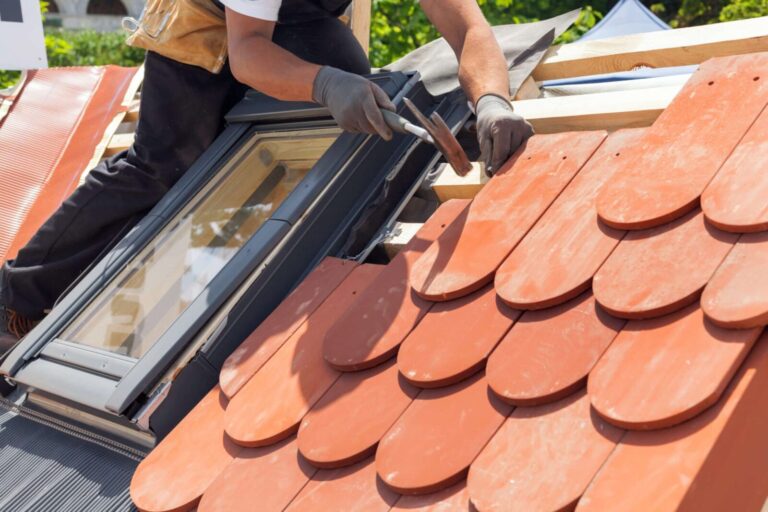
Traditional natural slate and clay tiles are usually preferred because they maintain the property’s and the street’s historic character. Modern lightweight alternatives may be acceptable in some cases, but you’ll typically need to justify them, and on front-facing slopes, the bar is higher still.
Matching the original is the goal. Many period properties across West London have slate or tile profiles that are no longer manufactured, so part of the work is sourcing materials that sit flush and look right against the originals.
This is exactly where an experienced roofer earns their fee, knowing which suppliers carry reclaimed materials and which modern equivalents will pass muster with the planners.
Don’t Forget The Details
A period roof is more than its tiles. Chimney stacks, lead flashing, and ridge lines all contribute to the character planners are protecting, and they often need attention during a re-roof.
Leadwork, in particular, should be done properly for both weatherproofing and appearance, and a chimney repair may form part of the wider job.
It’s also worth considering a Lawful Development Certificate even when you’re confident the work falls within permitted development.
It gives you formal confirmation from the council that what you’ve done was lawful, useful peace of mind, and valuable if you ever come to sell the property.
Choose A Roofer Who Knows The Territory
Re-roofing a protected property is not the job for a general contractor unfamiliar with heritage work. You want a roofer who understands borough planning, knows how to source sympathetic materials, and has worked on period homes before.
The right firm will give you a straight answer about what permissions apply before a single tile is moved, rather than discovering a problem halfway through the job.
If you’re planning a new roof on a period property in a West London conservation area, it’s well worth starting with a conversation.
Our team can assess what your roof needs, talk you through the likely permissions requirements, and ensure the result respects both your home and the street it sits on. A little planning at the start saves a great deal of trouble later.