
There are few household problems as unsettling as water coming through the ceiling. Whether it’s a slow brown stain spreading across the plaster or an active drip during a downpour, a roof leak needs a calm, quick response. The good news is that the right first steps can limit the damage considerably and buy you time until a roofer arrives. Here’s what to do.
Protect The Inside Of Your Property
Before you think about the roof itself, deal with the water already inside. Move furniture, electronics, and anything valuable out of the way, and put a bucket or large container under the drip. If you have old towels to hand, lay them down to soak up splashes and protect flooring.
If water is pooling above the ceiling, you might see a bulge or a sagging patch. It’s worth carefully piercing the centre of the bulge with a screwdriver to let the water drain into a bucket in a controlled way.
It feels counterintuitive to make a hole, but a contained drip is far better than a whole section of ceiling collapsing under the weight of trapped water. Keep an eye on it and empty the bucket as it fills.
Switch Off All Electrics Nearby!
Water and electricity are a dangerous combination. If a leak is anywhere near light fittings, ceiling roses, or wiring, turn off the power to that part of the house at the consumer unit and avoid touching anything until it’s dry or has been checked. Don’t take chances here; it’s the one part of dealing with a leak where caution genuinely matters more than speed.
See If You Can Carefully Find Where The Water Is Getting In
This is where many people go wrong. The spot where water appears on your ceiling is often not directly below where it’s entering the roof. Water travels along rafters, felt, and timber before it finds a place to drop so that the source can be some distance away from the stain.
If you can safely get into the loft, take a torch and look for the trail. Damp timber, wet insulation, or a glistening track on the underside of the roof can lead you back towards the entry point.
Never climb onto the roof yourself, especially in wet or windy weather; that’s a job for a professional with the right equipment.
Are You Aware Of Common Roofing Issues That Cause Leaking?
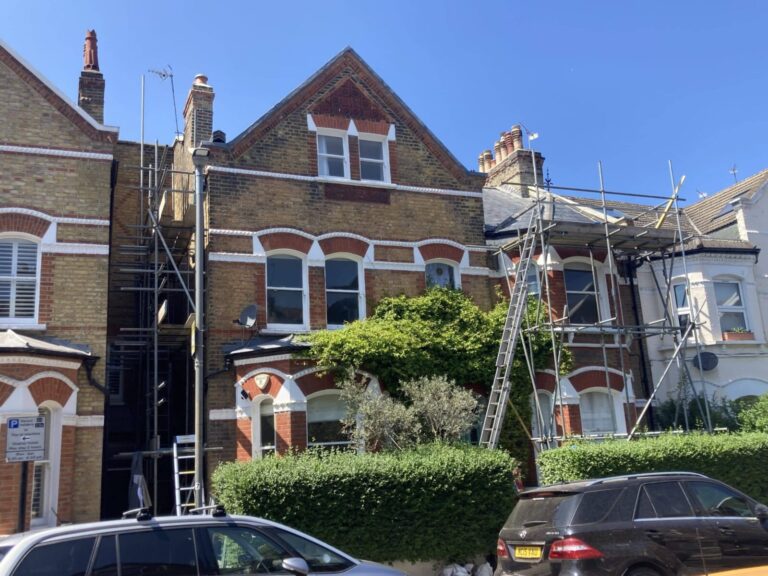
On London’s period terraces and semis, a few causes come up again and again. Failed flashing around a chimney is the single most common source of leaks.
Lead flashing itself lasts for decades, but the mortar pointing it into the brickwork cracks and crumbles after 15 to 20 years, letting water run behind it. If your leak is near a chimney, a chimney repair is often what’s needed.
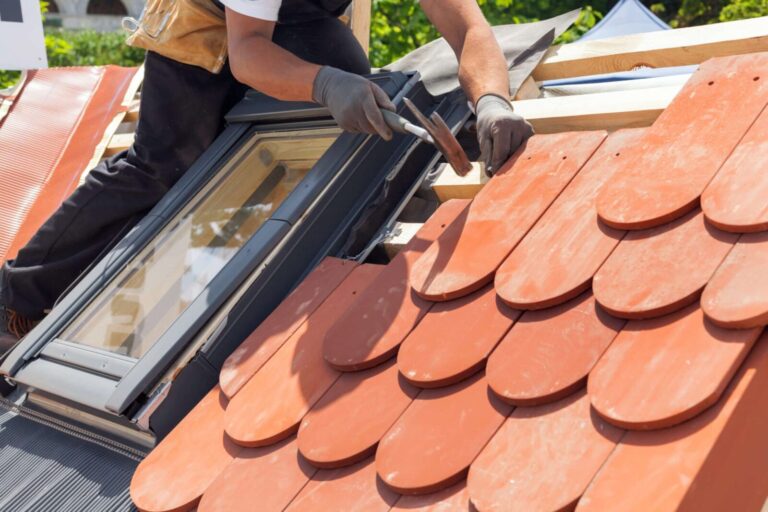
Slipped or cracked tiles are another frequent offender, as are ridge tiles that have worked loose in high winds.
And surprisingly often, the roof isn’t the problem at all; blocked or broken gutters can cause water to back up and spill against the wall, mimicking a roof leak. It’s worth checking your gutters before assuming the worst.
Do Not Wait And See What Happens!
It can be tempting to put a bucket down and hope the problem holds until it’s convenient to deal with the roof, which rarely pays off.
A small leak that drips onto the same rafter throughout the winter can rot the timber to the point where structural repairs are needed, turning a job that would have cost a few hundred pounds into one costing thousands. Catching a leak early almost always keeps the repair cheap.
Do You Know When To Call An Emergency Roofer?
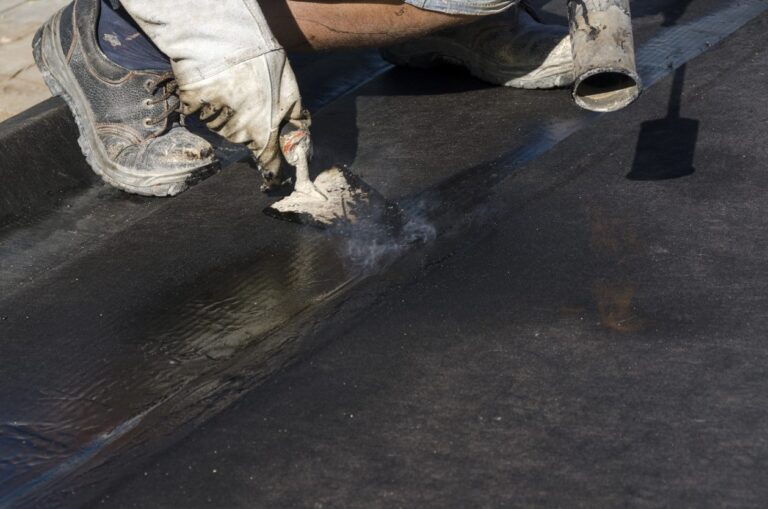
If water is actively pouring in, if a storm has stripped tiles, or if the leak is spreading fast, don’t wait for a routine appointment. A rapid response to temporarily make the roof watertight, usually with a weatherproof covering, prevents further water from entering while a proper repair is arranged.
Our 24-hour roofers can get to you quickly and limit the damage before it worsens. The cost of an emergency call-out is almost always less than the cost of repairing a winter’s worth of water damage.
How To Cope After The Crisis! Call Roofing Specialist London Today
Once the leak is contained and the roof is stable, the next step is a proper inspection to find and fix the root cause rather than just the symptom.
A good roofer will trace the leak back to its source and recommend the right roof repair, whether that’s re-pointing flashing, replacing tiles, or addressing worn felt underneath.
A leaking roof is stressful, but it’s rarely a disaster if you act quickly. Protect the inside, stay clear of the roof itself, find the trail if you safely can, and get a professional in before a small problem becomes an expensive one.
If you’re dealing with water coming in right now, don’t hesitate to call. Getting the roof watertight is the priority, and we can help with that fast.